The nine (not so obvious) things you need to know when planning a trip to Japan
When I finally decided to travel, Japan was the first place I went. It was 2016 and I was in between jobs. And what I mean by that is I was unemployed, having a very early mid-life crisis at the age of 29, and was unsure of what I wanted to do with my life. Up until that point, I had only traveled as a kid with my family, mostly to Hawaii and Mexico, never beyond. But after watching countless hours of Anthony Bourdain, I had a newfound desire to see the world and for the first time, the time to actually do it. With the whole world open to me, Japan was an easy choice because I absolutely loved the food. I originally planned to go for just a week, but changed my mind a few days before departure and extended it to three weeks. Solo.
I've been back to Japan twice since then. And every time, it just keeps getting better.
Having planned three separate trips, here's what you need to know as you plan your own adventure to the land of the rising sun.
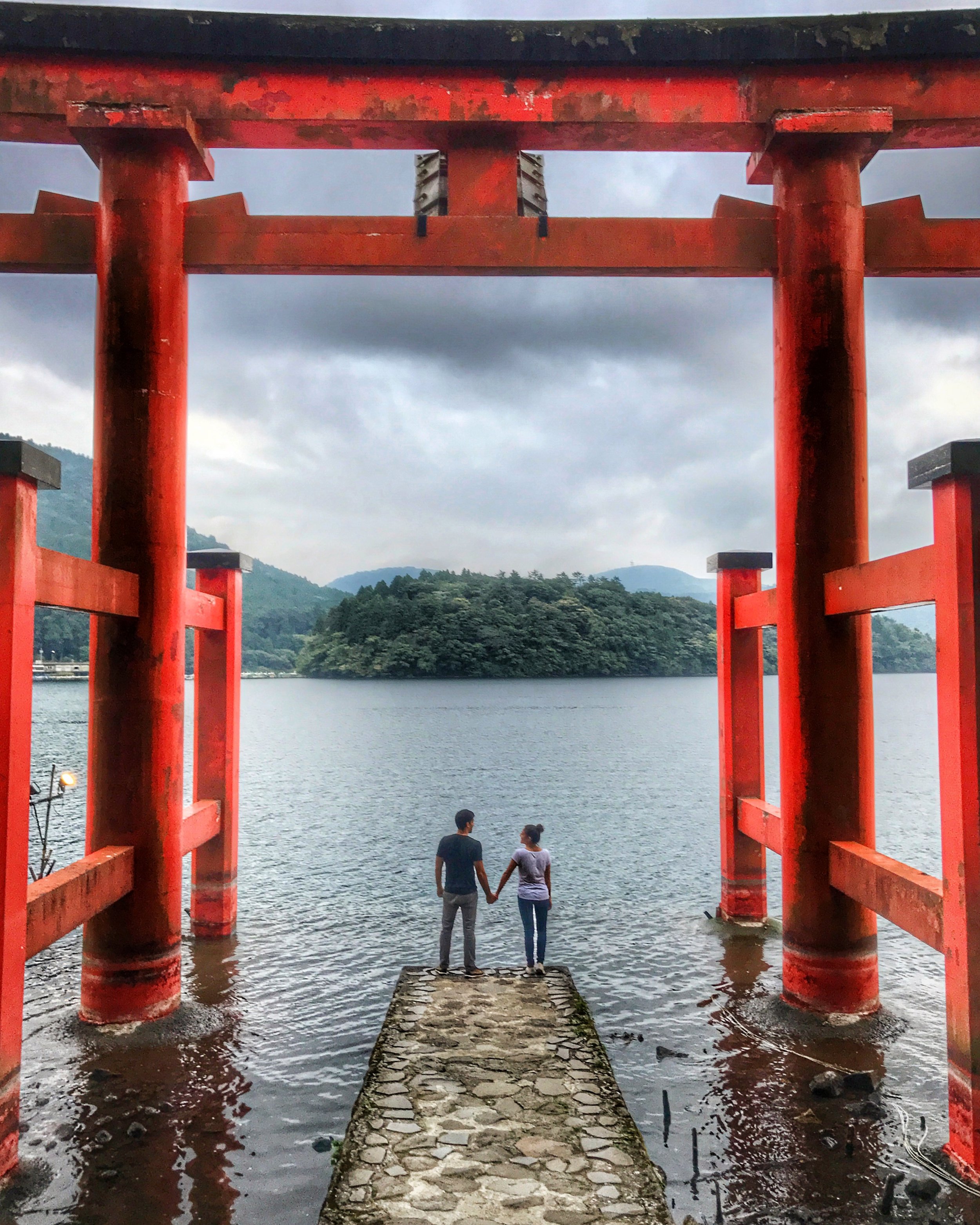
1. Pack an extra suitcase. The shopping in Japan is unmatched. From the best sunscreen and skincare to Onitsuka Tiger shoes and vintage luxury handbags, Japan has it all. You're going to want to bring things home. On our last trip, we made the mistake of having to buy an oversized suitcase mid-trip to fit everything we'd bought, and it wasn't cheap. The least expensive one we could find was about $100. Ouch!
2. Create a shopping list and map out each stop. Because the shopping is so good, it can get overwhelming fast. To keep it enjoyable, make a list of the stores you want to prioritize and what you're looking to buy at each store. Tag your spots in Google Maps and plan a route for tackling them. For us, when spending a rainy day shopping in Tokyo, we started in the Shibuya neighborhood for the bigger stores, like Don Quijote, Onitsuka Tiger, Kiddy Land, Loft, and Uniqlo, and then wandered over to the boutiques and vintage luxury stores in Harajuku. We stopped for lunch in between to break things up, because shopping is genuinely exhausting.
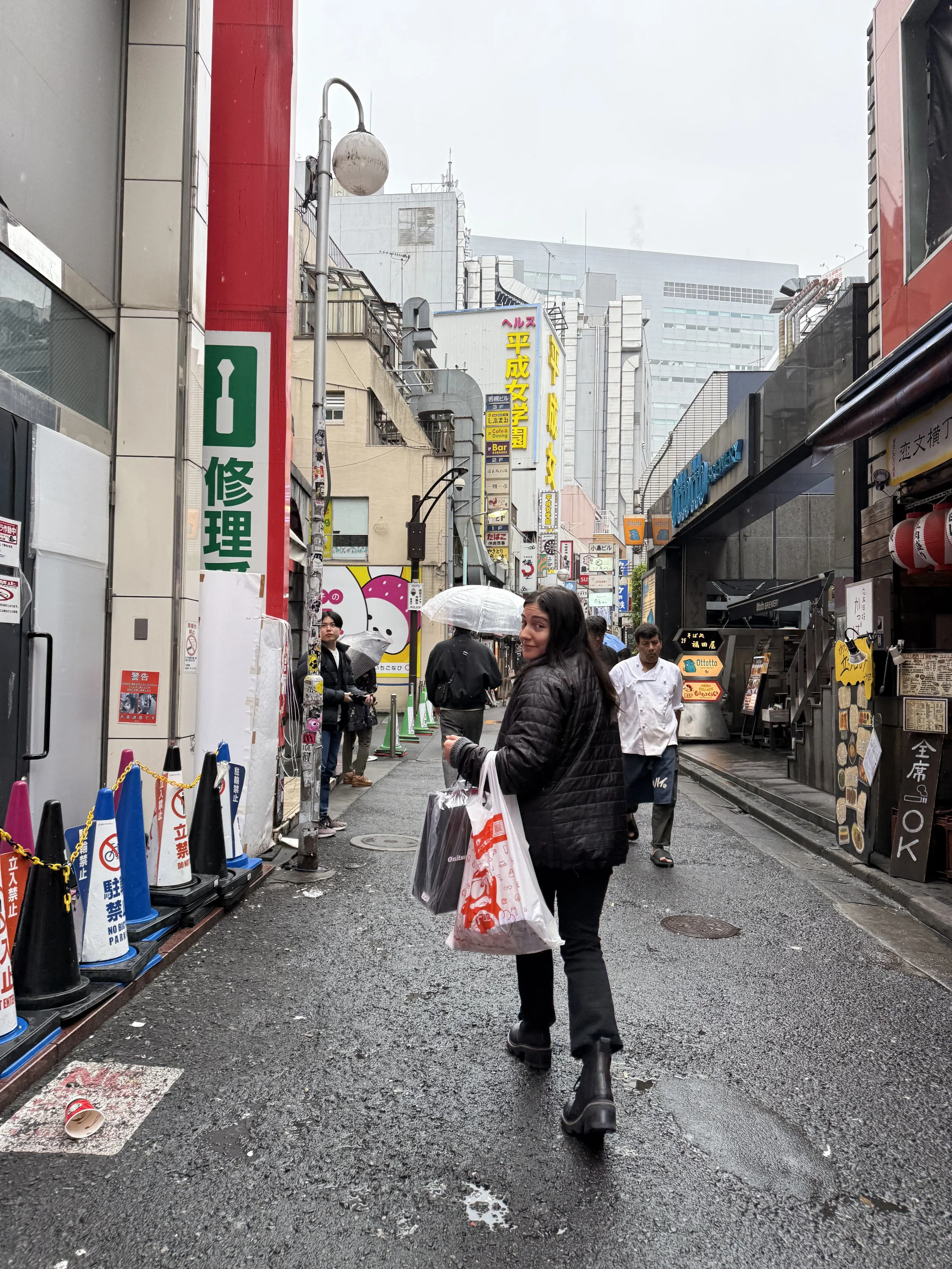
3. Don't take the train to your hotel from the airport. Japanese people are extraordinarily courteous and go out of their way to avoid inconveniencing others. That means no talking on trains, no eating or drinking, and no taking up more space than necessary. So don't be that tourist who hauls massive luggage onto a commuter train. Instead, take the budget-friendly Limousine Bus option where you can buy tickets from a kiosk right after landing, or splurge on a private taxi. The taxi is pricier, but it's readily available and stress-free.
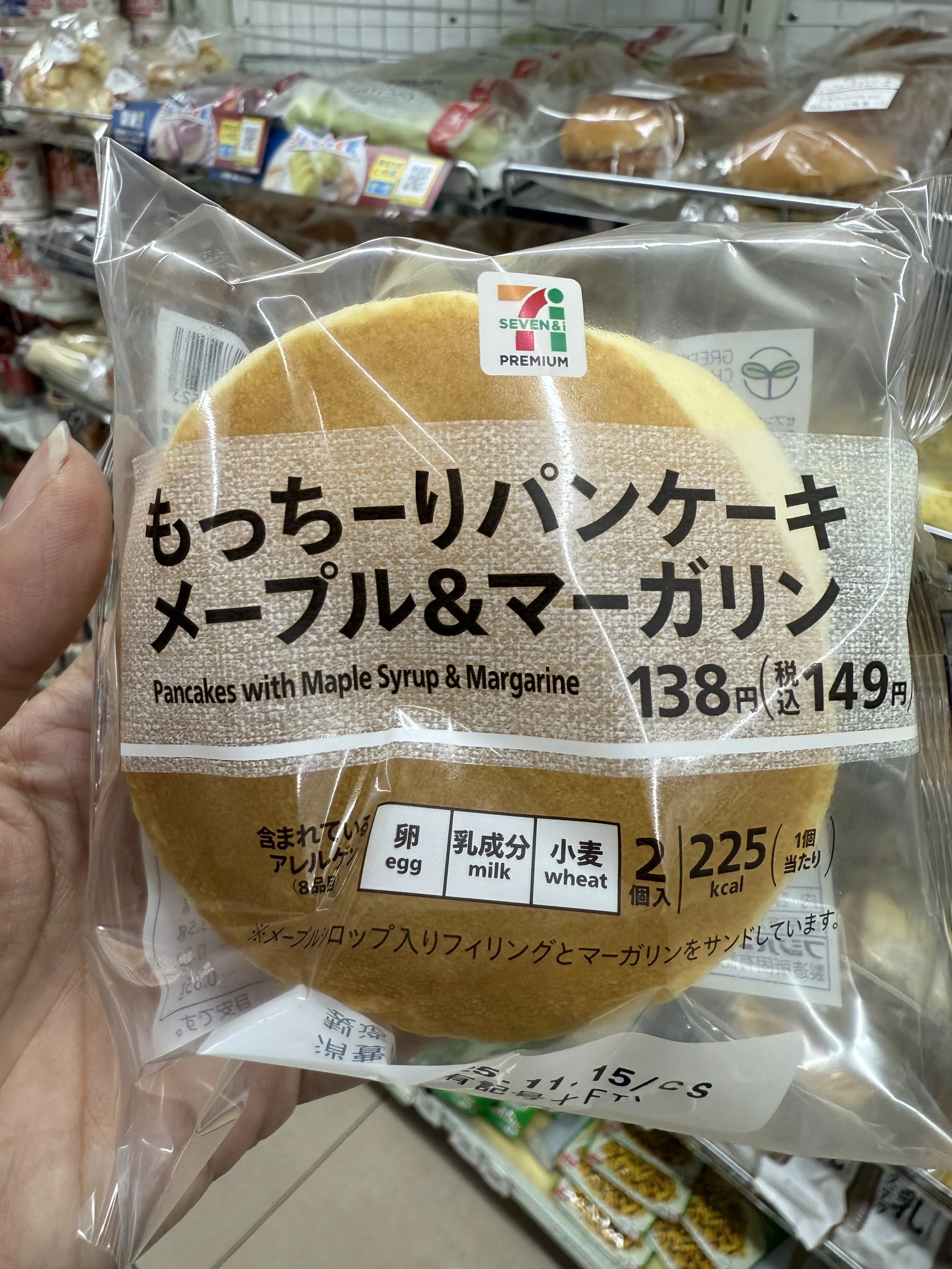
4. Eat breakfast at 7-Eleven. Most places don't open until the early afternoon, so if you're an early riser like me, 7-Eleven is your best friend. You've probably already heard this, but Japanese convenience stores are not to be missed. The food is genuinely good. My go-to breakfast was the pancakes with butter and syrup plus a fresh fruit and vegetable smoothie. Some other 7-Eleven favorites: frozen grapes (not real grapes, but somehow better?), milk pudding, egg salad sandwiches, and onigiri.
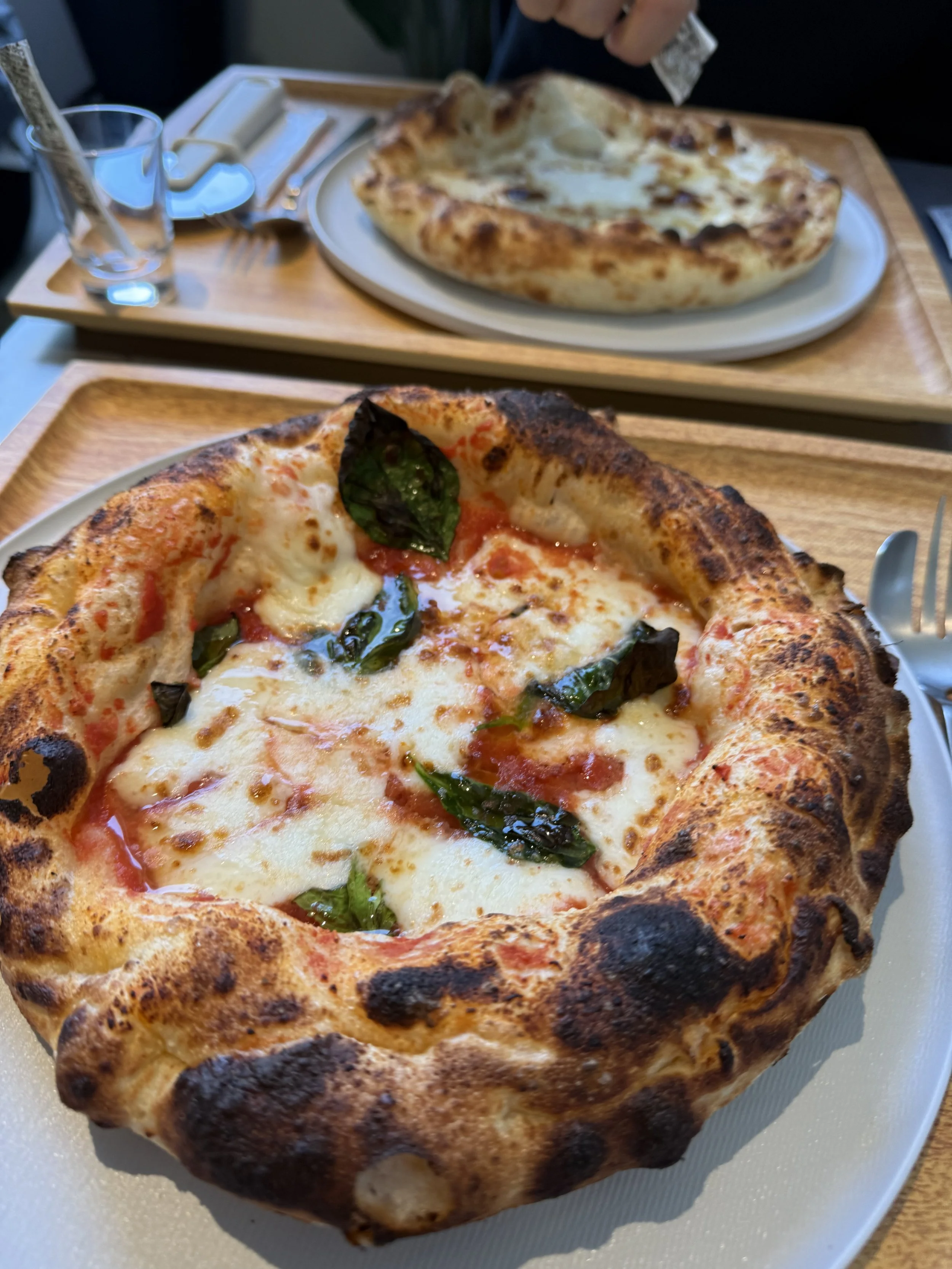
5. Skip the fluffy pancakes and anything else you see on TikTok. If you're going to Japan to eat, and you should be, use Tabelog to plan your meals. The Japanese are fierce, passionate food critics, and the scoring reflects that. On Tabelog, anything rated above a 3.2 is good; above 3.5 is really good. I used Tabelog obsessively while planning our food stops before we arrived in Japan, but it also works great on the fly. That's actually how I stumbled upon this excellent pizza spot in the Tokyo neighborhood of Shimokitazawa.
6. Figure out where you want to eat and how to get in. You can't make reservations everywhere, and some restaurants have quirky systems, like lining up at 9am to snag a dinner reservation. Do your research ahead of time so you're not scrambling once you're there or miss out on a place you really wanted to eat.
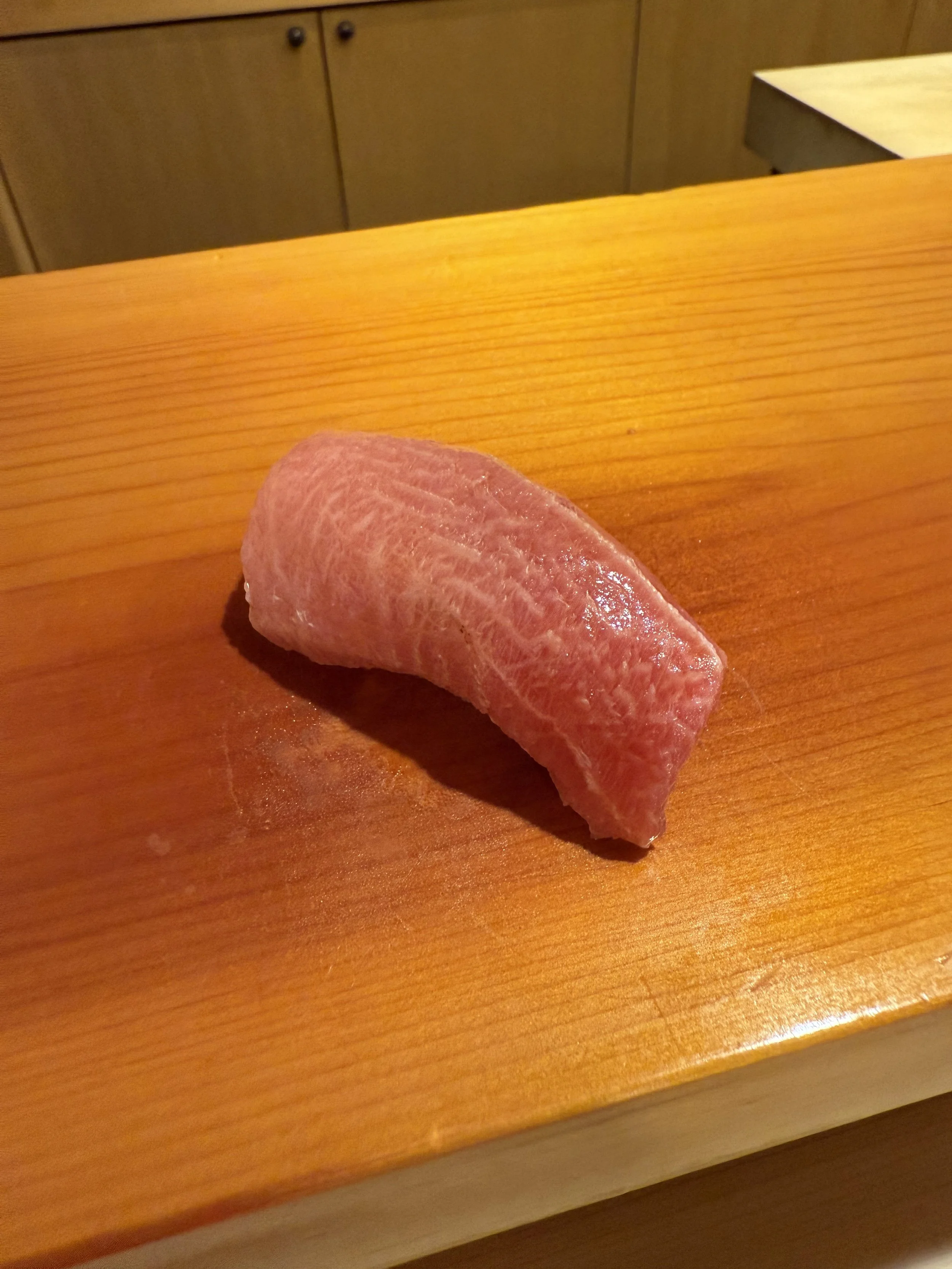
7. Book at least one restaurant through Tableall. Food in Japan is universally amazing, but it can be even more amazing. Some of the highest-rated restaurants, especially the top sushi spots, don't accept foreign guests or only seat regulars. Tableall is the workaround. It's not cheap, and you'll want to submit your requests as far in advance as possible, but it's absolutely worth it. Through Tableall, we got into the sous chef counter at Sushi Arai, and it was the best meal of my life. Fair warning: between food, drinks, and Tableall's fees, it came to about $1,000 for two people, but I would happily pay double that to repeat the experience. It was that good.
8. Skip the organized tours. I usually like to book a tour or two when I travel, but in Japan, I'd pass. Over three trips, every single tour we've done has fallen flat, history tours, food tours, bar tours, you name it. It didn't matter whether we booked through Airbnb Experiences, GetYourGuide, or directly; all of them underdelivered despite glowing reviews. Instead, explore on your own by neighborhood so you're not constantly jumping around. You'll have a much better time.
9. Plan ahead for luggage on bullet trains. Just like with commuter trains, you need to be mindful of your bags on the shinkansen. Make sure to reserve seats that include luggage storage as there are designated spots right behind certain seats. We couldn't book directly through the shinkansen website, so we used Klook, which worked perfectly. We got two seats together on the Mount Fuji side of the train, with space right behind us for our luggage. The alternative is shipping your luggage from hotel to hotel, but that takes 48 hours, which was too inconvenient for us. The train option is the way to go.
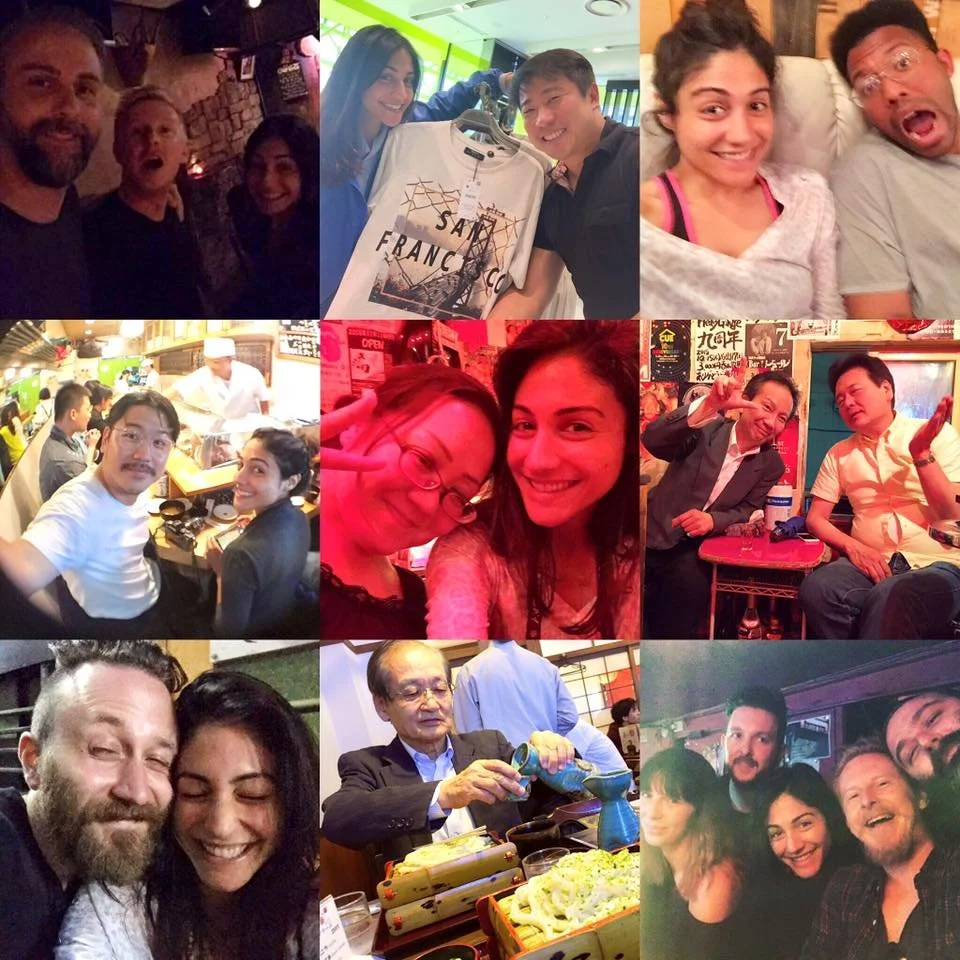
I'm not Japanese, but I felt at home in Japan. Maybe it was the quiet of an early morning temple, the unexpected perfection of a 7-Eleven egg salad sando, the memory of a meal I'm still thinking about years later, or the way everyone looks you in the eyes and pays attention when you're speaking. I genuinely felt seen, like I mattered in Japan. It may be a while before I go back, but there isn't a day that goes by when I don't think of my time there. Delicious and memorable. What more could you ask for?